

Technology
How to Specify Flatness on Thin Metal Parts
Specify flatness on thin metal parts by defining the inspection state, support, orientation, measurement method, and point density.
Read articleTechnology
Specify flatness on thin metal parts by defining the inspection state, support, orientation, measurement method, and point density.
Read article
Technology
Metal filter hole size vs filtration rating: why they differ, nominal vs absolute, and what buyers should specify.
Read article
Laser Cutting
Pulsed vs CW laser cutting: how laser mode controls heat input and edge quality, and which mode suits thin, heat-sensitive metal.
Read article
Technology
Choose surface treatments for precision metal parts by material and function: passivation, electropolishing, anodizing, plating, and magnetic annealing.
Read article
Laser Processes & Parameters
Troubleshoot laser welding porosity in thin metal joints: check surface preparation, shielding gas, pulse shape, fusion, and inspection limits.
Read article
Laser Processes & Parameters
Pulse energy, fluence, and ablation threshold: what really sets the size and quality of a laser-made microfeature.
Read article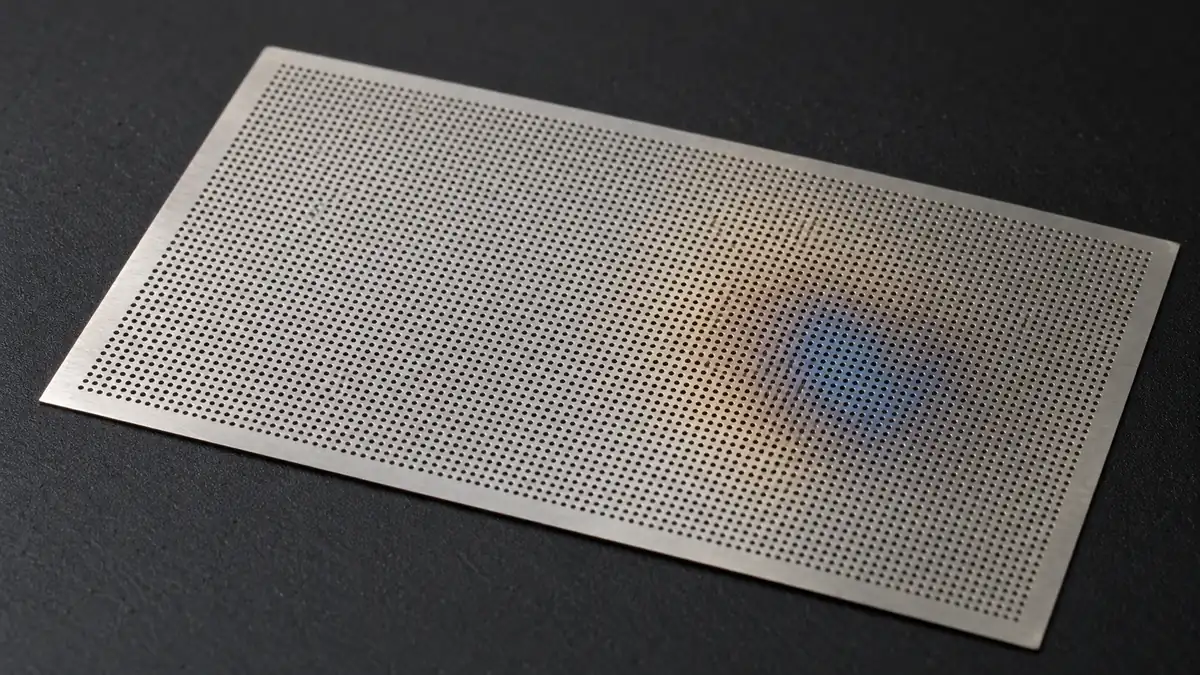
Laser Processes & Parameters
Heat accumulation in high-repetition-rate laser machining: how it forms when pulses outpace cooling, and how to control it.
Read article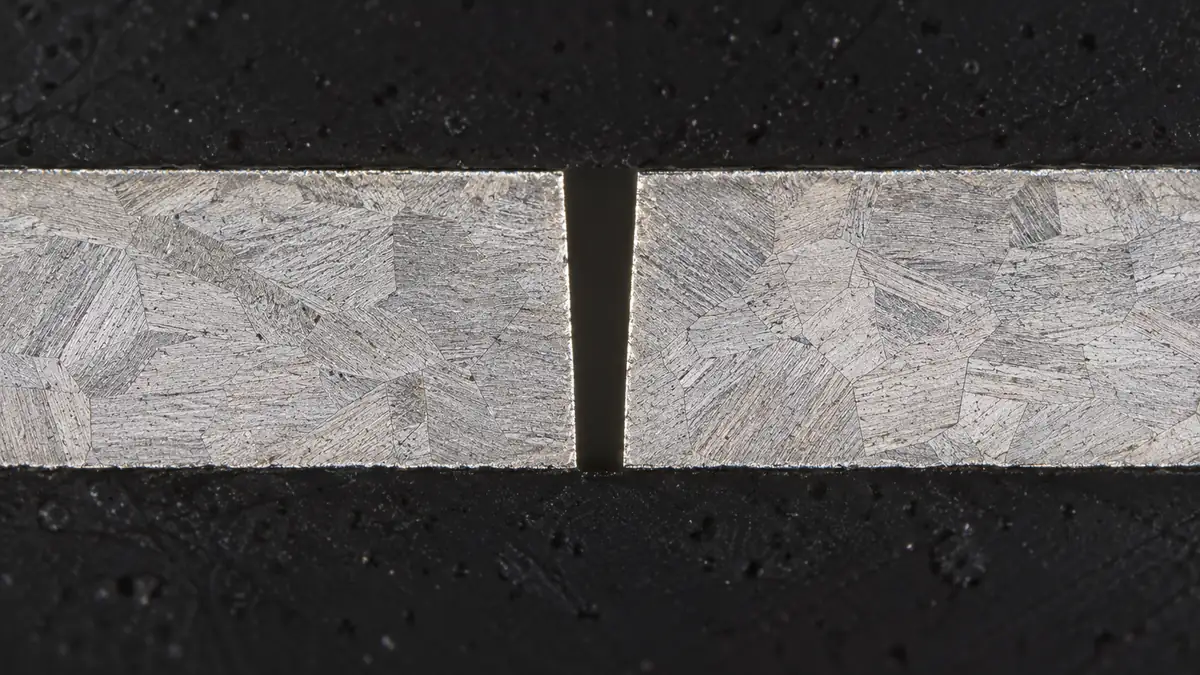
Laser Processes & Parameters
Why laser micromachining leaves taper, how the Rayleigh range and focus stability control it, and how to hold straight walls.
Read article
Materials & Industry Applications
What titanium foil laser cutting involves: controlling heat and oxidation on thin titanium, holding tolerance, and keeping the cut edge clean.
Read article
Materials & Industry Applications
Learn how stainless steel grade, assist gas, heat control, and feature size affect laser-machined parts, edge quality, flatness, and tolerance.
Read articleENGINEERING SUPPORT